There are some stories you don’t simply study – you carry them with you. The Beekeeper of Aleppo is one of those stories. And if you are a teacher standing at the front of a classroom right now, navigating a world that feels louder, more divided and more complex than ever, you will recognise almost immediately why this one matters.
You are already teaching “the now”. You are fielding questions about migration when it appears on the news. You are guiding conversations about mental health, about identity, about belonging. You are encouraging your students to think critically, to feel deeply, to look beyond themselves. The Beekeeper of Aleppo does not sit adjacent to those conversations – it sits at their heart.
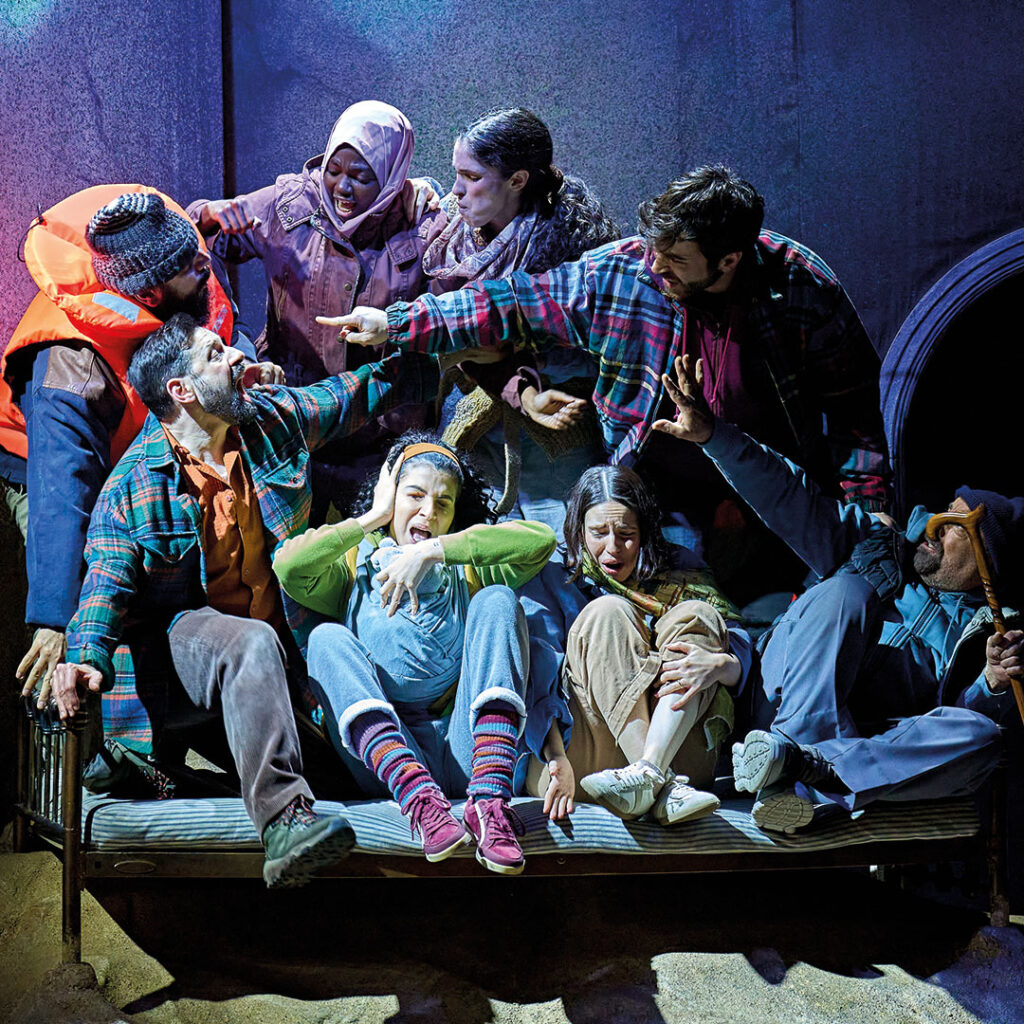
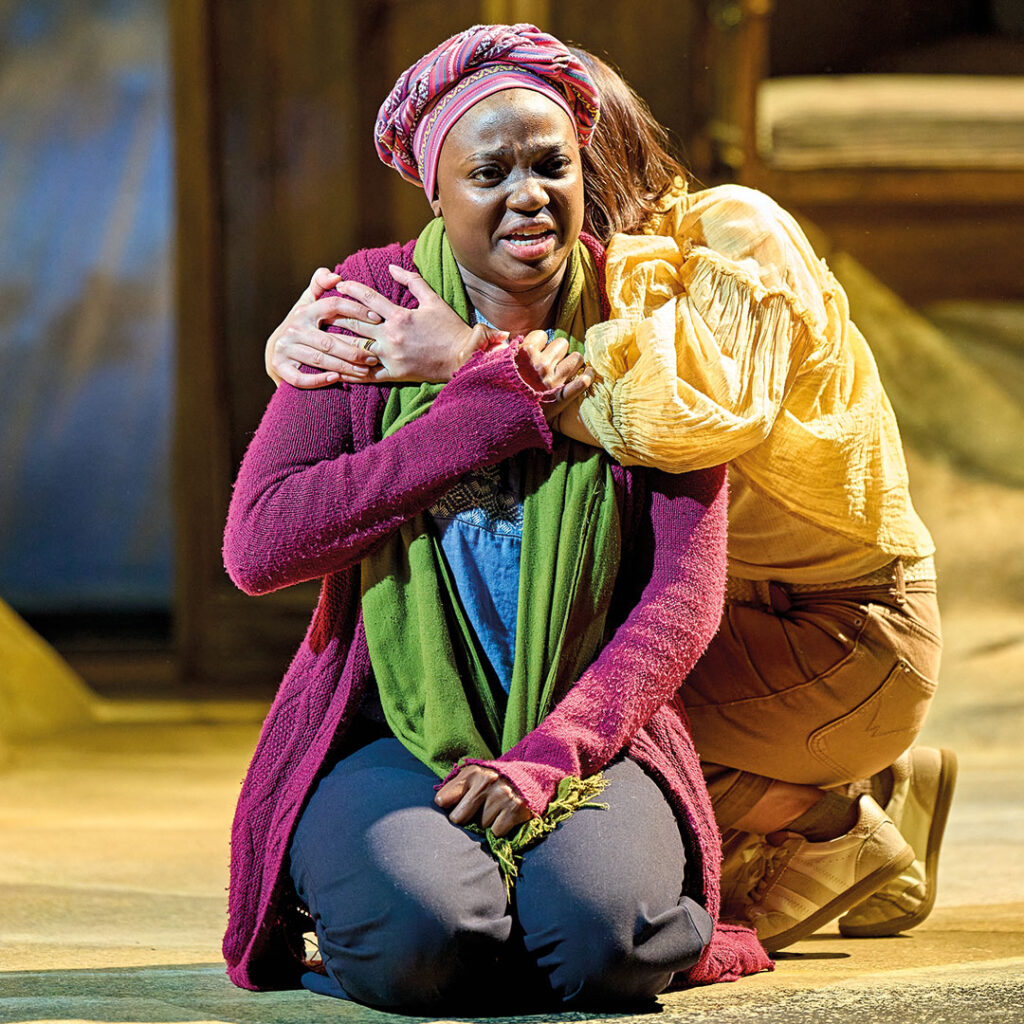
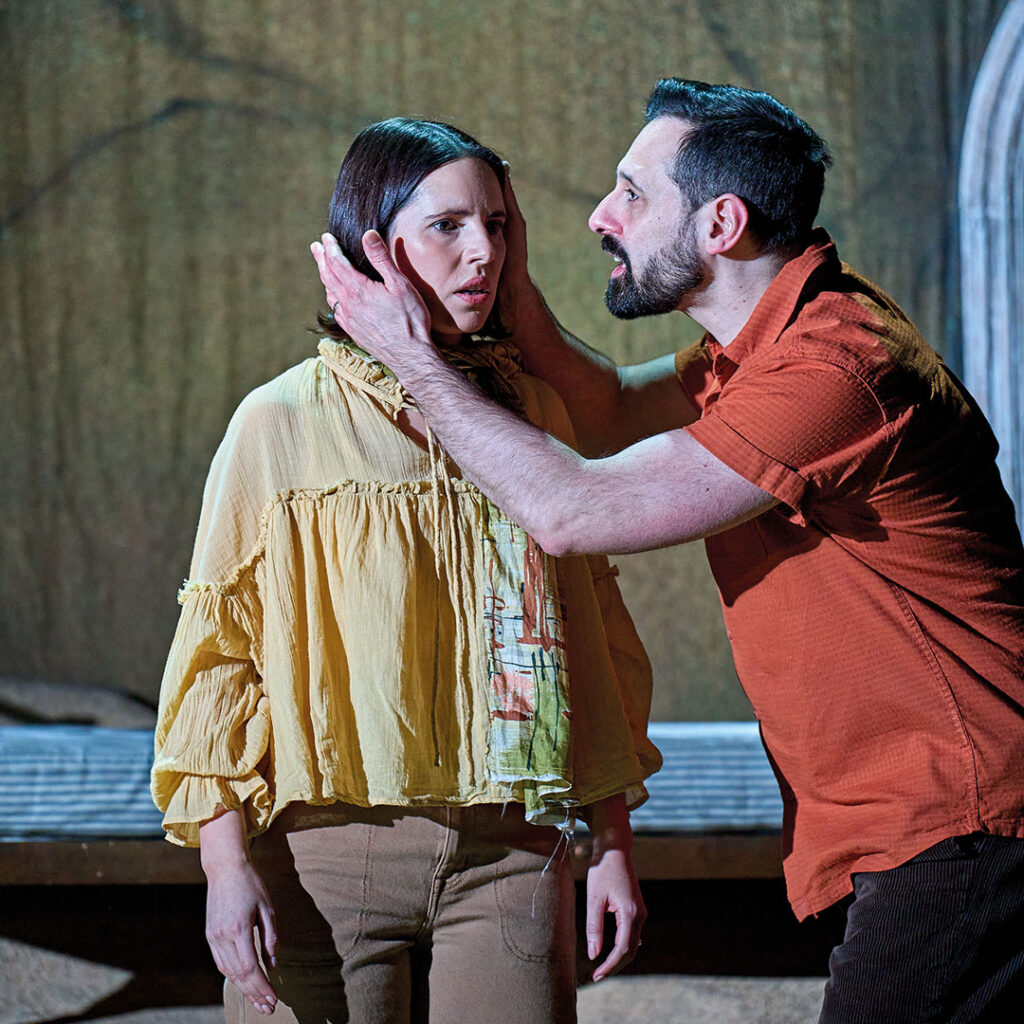
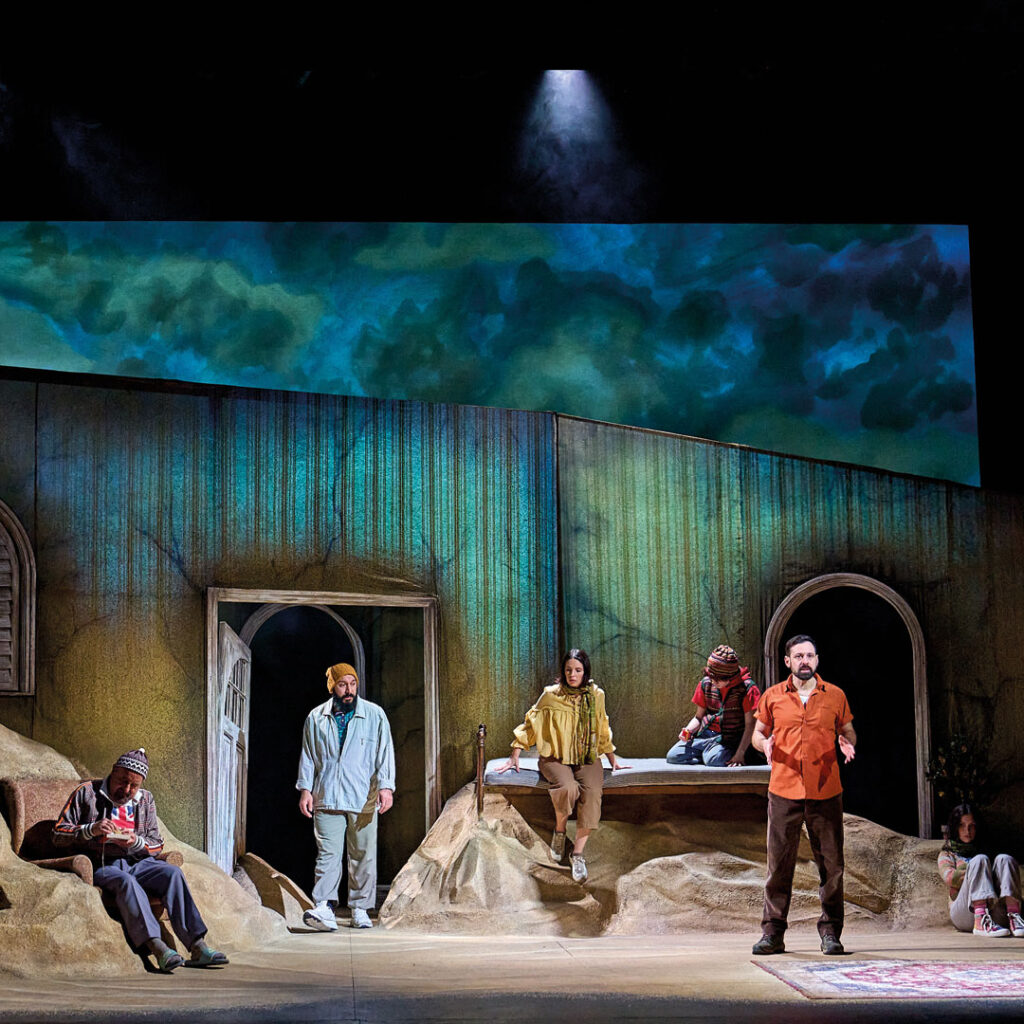
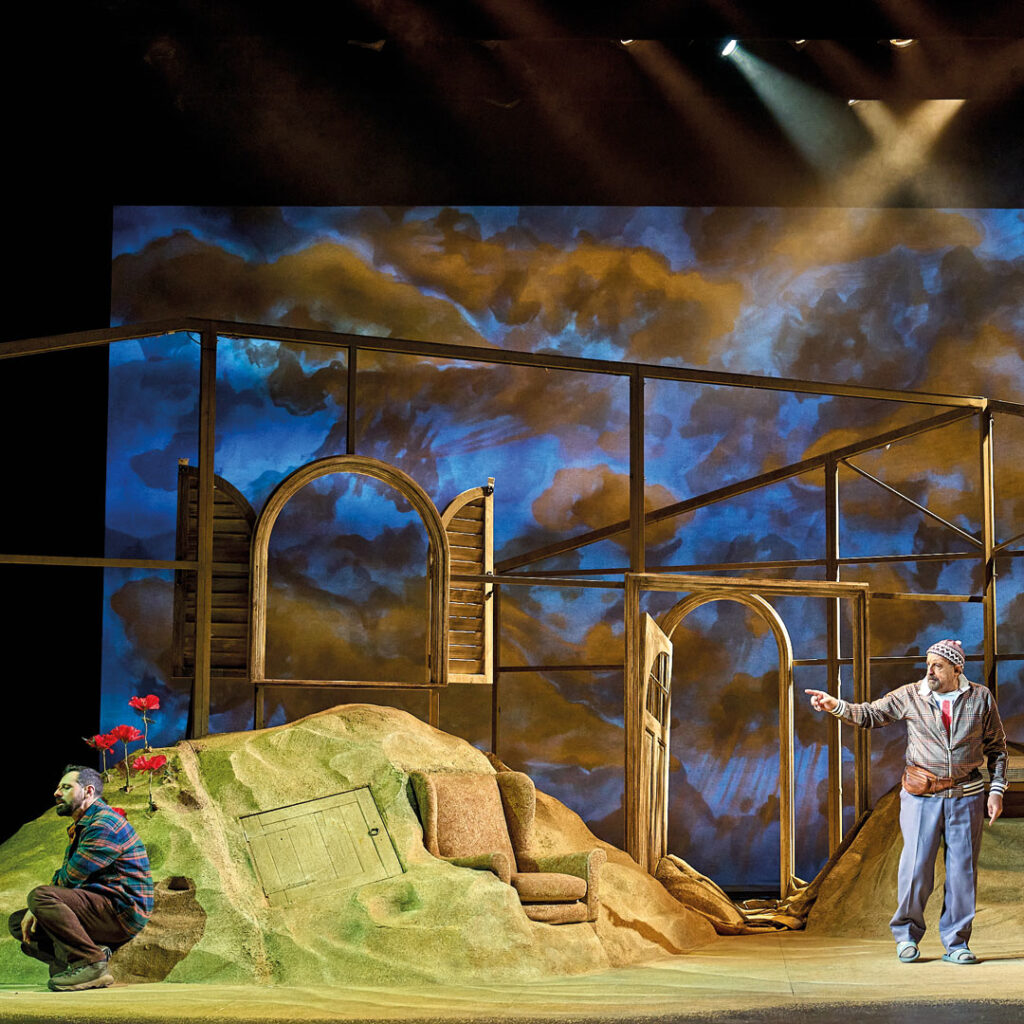
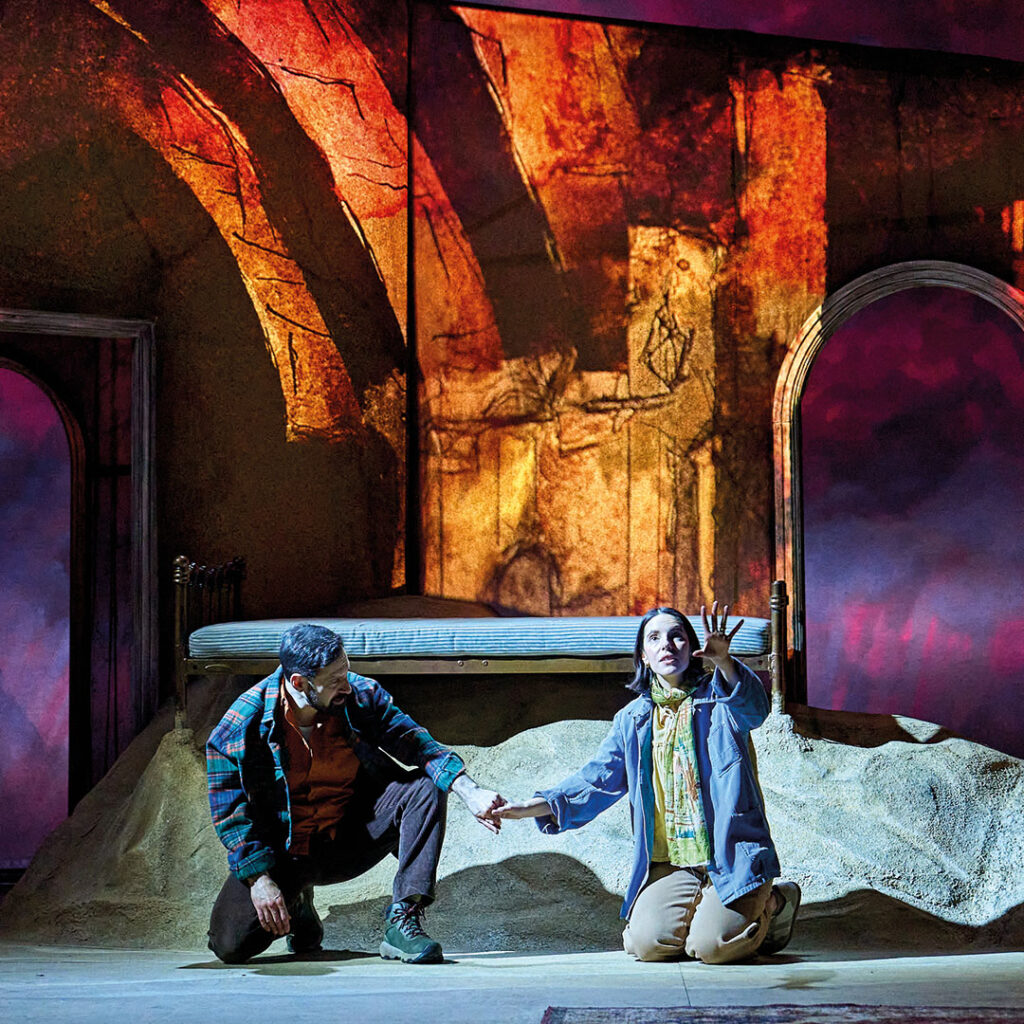
Lefteris’s best-selling novel, and its powerful stage adaptation, tells the story of Nuri and Afra, a beekeeper and an artist forced to flee war-torn Syria, travelling across Europe in search of safety. But what makes this story so gripping – so unshakeable – is not simply the journey itself, but the way it is told. Through Nuri’s fractured, sometimes unreliable narration, students are invited into the interior world of trauma: memory splinters, time shifts, hope and despair exist side by side. It is storytelling that trusts young people to think, to infer, to question. It challenges them without patronising them.
And if you teach English, you can already feel the richness. Narrative perspective. Structure as psychology. Symbolism – the bees as fragile communities, as industry, as home. The interplay between silence and speech. Students at 14+ are primed for this level of complexity. At Key Stage 3, it stretches them beyond plot into theme and voice. At GCSE, it supports analysis of contemporary literature, conflict writing and migration narratives. At A Level, it opens discussion about memory, post-traumatic storytelling and the ethics of representation.
But its reach goes further than English.
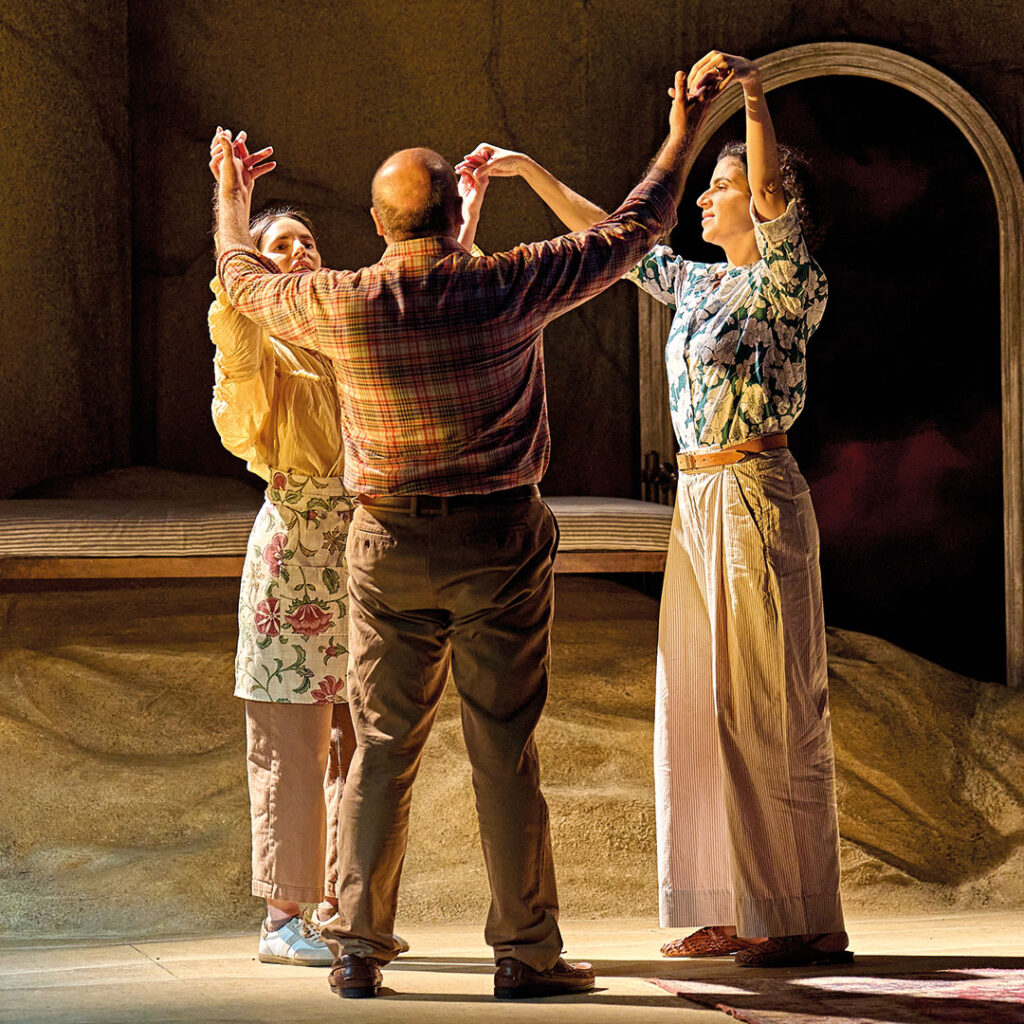
In Geography, you are likely already teaching migration – push and pull factors, asylum systems, global inequalities. This production gives those frameworks a human face. In Citizenship and PSHE, where conversations about human rights, prejudice, mental health and community responsibility can sometimes feel abstract, Nuri and Afra’s journey anchors discussion in lived experience. In Drama, the adaptation becomes a case study in how a novel transforms into theatre – how lighting, sound, physical storytelling and ensemble performance can externalise internal struggle. It is curriculum made tangible.
And then there is the emotional engagement – which is, perhaps, the most important part.
At fourteen and above, your students are capable of grappling with difficult truths. In fact, many of them are already doing so privately. What they often lack is a safe, shared space in which to explore those truths. Theatre provides that space. Sitting together in the dark, watching a story unfold in real time, creates a collective experience that no PowerPoint slide can replicate. They feel it. They talk about it on the coach home. They argue about it the next day. They remember it.
Lefteris’s work is compelling because it does not reduce its characters to victims. It shows love enduring even when language falters. It shows how trauma distorts perception. It shows resilience not as a grand gesture but as the quiet act of continuing. That emotional complexity is what makes it so engaging for young audiences – they recognise it. They understand more than we sometimes give them credit for.
And the production itself matters. UK Productions has already demonstrated, through the critical acclaim and educational impact of The Kite Runner, that they understand how to adapt globally significant novels with integrity and theatrical imagination. The Kite Runner became a touchstone for schools because it balanced artistry with accessibility, emotional weight with clarity. That same commitment to quality ensures that The Beekeeper of Aleppo is not simply “issue-led theatre”, but compelling, absorbing storytelling of the highest standard.
If you are weighing up whether this is worth the logistics, the paperwork, the conversation with SLT — consider this: you are not just organising a trip. You are offering your students a chance to see the world reframed through empathy. You are giving them a shared cultural reference point. You are strengthening analysis skills through lived experience. You are reminding them that stories matter.
And in a time when headlines risk desensitising us all, this story quietly insists on humanity.
Three quick wins when speaking to your Headteacher:
1. Clear Curriculum Alignment
It directly supports GCSE and A Level English (narrative perspective, contemporary conflict literature), as well as Geography and Citizenship topics on migration and human rights – this is enrichment that strengthens attainment.
2. Cultural Capital & SMSC Impact
The production builds empathy, global awareness and critical thinking, aligning with Ofsted priorities around personal development and cultural capital.
3. Proven Theatrical Quality
From the producers of the critically acclaimed The Kite Runner, which became a benchmark school text adaptation – this is high-quality theatre with a strong track record of educational value.
This is not just a trip out. It is a lesson your students will remember.