

Powerful Touring Drama
Bringing powerful drama and acclaimed stories vividly to life on stage with breathtaking beauty.



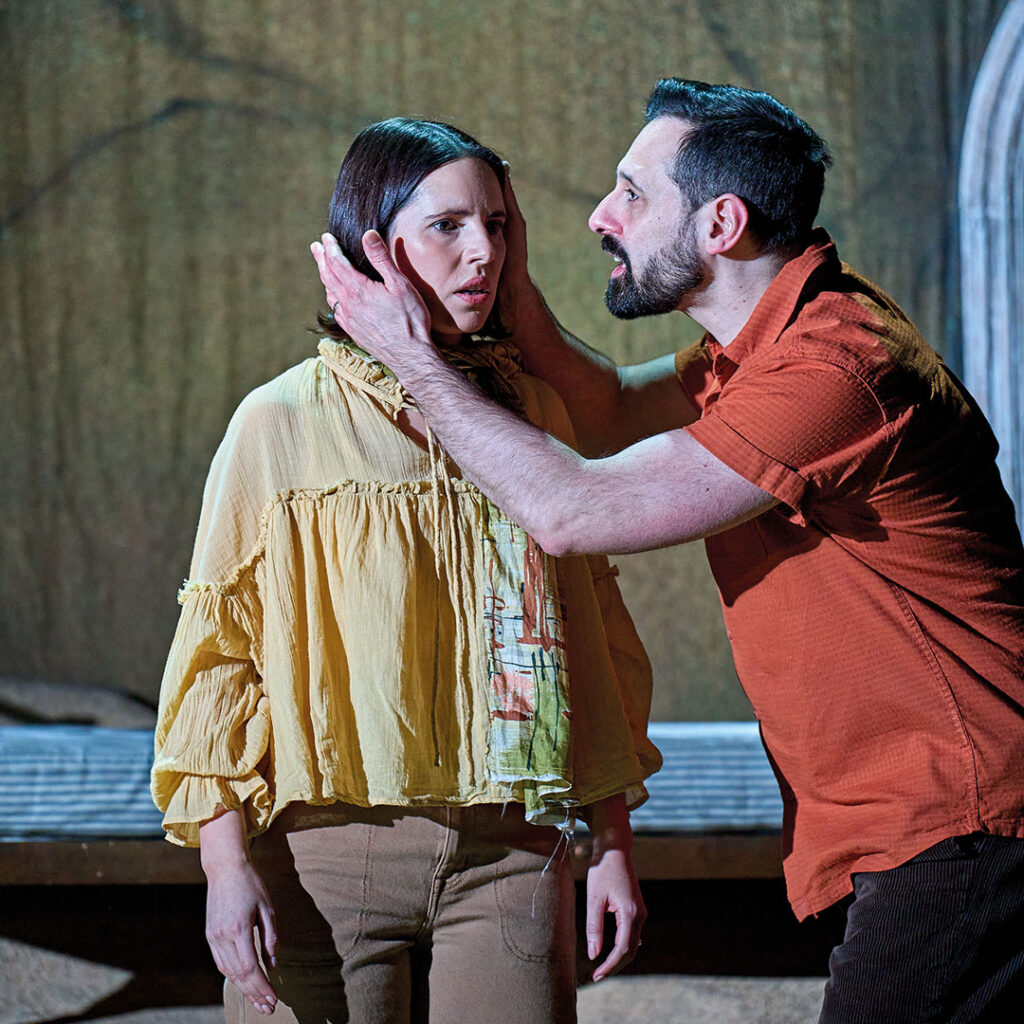
Bringing powerful drama and acclaimed stories vividly to life on stage with breathtaking beauty.
In a noisy, distracted world, drama still has the incredible power to ask an audience to simply stop, listen, and feel something deeply. The silence tells you everything.
At its best, theatre creates a rare kind of attention. It gathers people together in a shared space and invites them into another life, another place, another memory, another set of choices. It does not ask them to scroll, pause or look away. It asks them to be present with a story as it unfolds in front of them, whether that story is the painful reckoning of friendship, guilt and redemption in The Kite Runner, or the deeply human journey of displacement, survival and hope in The Beekeeper of Aleppo.
That is why great drama remains one of the most powerful forms of storytelling we have. It can take a story that has moved readers on the page, a human experience that has lived in history, or a subject that may feel distant from everyday life, and place it directly before us through performance, design, movement, sound, light, and silence.
For UK Productions, drama is not simply about bringing recognised titles such as The Kite Runner and The Beekeeper of Aleppo to the stage. It is about treating remarkable stories with the care, creative ambition and emotional intelligence they deserve, and creating productions that allow audiences to encounter those stories in their most immediate and human form.
There are many ways to tell a story, but theatre carries a particular kind of truth because it happens live, in the same room as the audience, with no screen between the performer and the response.
A novel allows us to imagine a world in private. Film can show us that world in extraordinary detail. Television can carry a story into our homes. But theatre does something different: it places living people before us, sharing the same air, the same time and the same fragile moment. That immediacy gives stage drama its emotional charge.
When an actor reaches for a memory, a confession, a moment of guilt, courage, tenderness or survival, the audience is present with them. The silence in the auditorium becomes part of the scene. A held breath, a shift in the room, a laugh that breaks tension or a stillness that follows a devastating line all become part of the performance.
This is why drama on stage can be so affecting. It is intimate and collective at once. Each audience member receives the story personally, but no one experiences it alone.
Theatre has always helped audiences make sense of the world around them, not by reducing experience to argument, but by placing human lives at the centre of complex events.
Drama can explore displacement, friendship, family, war, migration, identity, grief, resilience, belonging and survival in a way that feels both immediate and reflective. It can bring distant places closer. It can move beyond headlines and statistics to reveal the individual choices, relationships and losses that sit behind them. It can ask audiences not only to understand a story, but to feel their way through it.
Stories that began as acclaimed novels that reached readers around the world, but on stage they become something communal and urgent. Audiences are no longer engaging with the story privately on the page; they are sitting with it in real time, alongside other people, watching human experience unfold in front of them.
That is one of theatre’s greatest gifts. It turns storytelling into an act of witness, and it allows audiences to connect emotionally with lives, places and histories that may be far from their own but are made recognisably human through performance.
Adapting a much-loved novel for the stage is a delicate and demanding act because the audience may arrive carrying the book with them.
Some will know the story intimately. They may remember particular images, characters, lines or emotional turning points. Others may know the title without having read it. Some may be discovering the story for the first time. A stage adaptation has to respect all of those audiences while also becoming a fully theatrical work in its own right.
The challenge is not to reproduce every page. It is to capture the heartbeat of the story. A successful adaptation understands what must be preserved and what must be transformed. It finds theatrical language for memory, landscape, danger, intimacy and scale. It allows design, lighting, sound, music, movement and performance to carry meaning that prose once held on the page. It recognises that the stage cannot do everything a novel does, but that it can do some things with extraordinary force. That requires sensitivity, confidence and trust. Trust in the story. Trust in the creative team. Trust in the actors. And, importantly, trust in the audience’s imagination.
UK Productions understands that great drama is not built from spectacle alone. It is built from clarity of purpose, emotional truth and the careful assembling of a creative team capable of honouring the story while making it live again for the stage.
Powerful drama can appear simple from the auditorium, often a sign of how carefully it has been made.
A character speaks. A memory surfaces. A scene shifts. A silence lands. The audience feels the moment, but what they may not see is the precision behind it: the rhythm shaped by the director, the emotional architecture built by the actors, the world suggested by the designer, the atmosphere created by lighting, the tension carried by sound, or the subtle movement choices that allow one moment to flow into the next.
In drama, every element has to serve the story. Design is not decoration; it is a form of storytelling. A doorway, a shadow, a fragment of music, a change of light or a single object on stage can hold enormous emotional weight if it is placed with purpose. This is where the work of the creative, acting and design teams becomes essential. They are not simply supporting the story; they are translating it into theatrical language. They decide what the audience sees, what they hear, where their attention is held, when space expands, when it contracts, and how the emotional journey is carried from the first moment to the last.
UK Productions’ work in drama recognises the importance of surrounding exceptional stories with exceptional teams.
However strong the title, however beautiful the design, and however carefully shaped the production, drama ultimately depends on actors who can make an audience believe in the life before them.
In stories such as The Kite Runner and The Beekeeper of Aleppo, performance carries particular responsibility. These are narratives shaped by memory, trauma, family, exile, survival and moral consequence. They ask actors to hold both the intimate detail of individual lives and the wider forces pressing in around them.
That balance is difficult. The work must be truthful without becoming sentimental, emotionally open without becoming forced, and clear enough to carry the audience through complex material without flattening its depth. The actor has to make the audience feel the stakes of a life, not merely understand the events of a plot. The best performers do not simply recite these stories. They carry them. They allow audiences to see the human being inside the narrative, with all their contradictions, mistakes, hopes and fears. They remind us that drama is not only about what happens, but about what it costs.
When that connection is made, the distance between stage and auditorium disappears.
One of theatre’s great strengths is that it does not need to show everything in order to make an audience see and feel everything.
A stage can suggest a city, a border, a sea crossing, a childhood home, a marketplace, a journey, a memory or a future that remains uncertain. With the right creative team, a few carefully chosen elements can evoke vast emotional landscapes in the audience’s mind. For drama, design is often about emotional geography. It helps us understand where characters are physically, but also where they are internally: what they have left behind, what they are trying to reach, what they are carrying, and what can never quite be recovered.
For touring productions, this work becomes even more important because the design must hold its power across different venues, stages and audience communities. It must be expressive, practical and adaptable without losing its emotional force. It needs to support the actors, serve the story and travel with integrity.
UK Productions’ experience in touring theatre allows it to bring together creative ambition and practical understanding, ensuring that powerful drama can be placed on stages across the country with the quality, care and consistency audiences deserve.
For theatre managers and programmers, choosing drama is an act of trust because a powerful play or stage adaptation can do more than fill a slot in a season; it can deepen a venue’s relationship with its audience.
The right drama can bring readers into the theatre, connect with schools and colleges, create opportunities for community engagement, attract loyal theatre-goers, reach culturally specific audiences and generate the kind of conversations that continue long after the performance has ended. It can help a venue show that it is not only a place of entertainment, but a place where meaningful stories are shared.
That does not mean every drama has to be solemn or difficult. It means that audiences respond to work that has purpose, craft and emotional integrity. They want stories that matter, productions that respect their intelligence, and experiences that feel worthy of their time.
For venues, the choice of production partner matters. A theatre needs confidence that a touring drama will be artistically strong, technically deliverable, carefully marketed, and produced with an understanding of both the story and the audience. UK Productions recognises that responsibility and works to place ambitious, emotionally resonant storytelling on stage in a way that serves the production, the venue and the people who come to experience it.
Drama can be an important part of audience development because it often gives people a reason to attend beyond habit. A recognised title may bring readers into a venue for the first time. A story connected to global events may attract audiences who do not usually see themselves reflected in mainstream theatre programming. A production with educational relevance can support schools, colleges and universities. A culturally resonant story can create meaningful opportunities for outreach, conversation and community connection.
This is where drama becomes both artistic and strategic. A strong production can help a venue broaden its reach, create partnerships, support press activity, encourage group bookings and give marketing teams a story with real substance to communicate.
For UK Productions, this connection between story, audience and venue is central. Great drama should not only be admired from a distance; it should be shared, discussed and felt by the widest possible audience.
Audiences are living through a time of uncertainty, division and constant information, where global events can become overwhelming precisely because they are presented so quickly and so often.
Drama offers something different. It slows the experience down and restores human scale. It does not reduce people to statistics, headlines or arguments. It asks us to sit with complexity, to understand that lives are shaped by choices, histories, accidents, loyalties, fears and hopes.
The stage gives stories a powerful human presence. It allows audiences to feel the weight of memory, the cost of separation, the tenderness of connection and the fragile possibility of hope. It reminds us that theatre can entertain, but it can also enlarge our understanding of one another.
The most powerful dramas do not end at curtain call because their impact continues in the conversations that follow.
Audiences carry them into the foyer, onto the journey home, into classrooms, book groups, family conversations and private reflection. They may leave moved, unsettled, inspired, grateful, thoughtful or changed. That emotional afterlife is one of the reasons drama remains such an important part of theatre programming.
A great production gives audiences something to remember and something to talk about. It can create trust in a venue as a place where important, beautifully made work happens. It can make people feel that live theatre is not simply another option among many forms of entertainment, but an experience that reaches them in a different way.
For producers, venues and audiences alike, that is the enduring value of drama. It brings people together around a story and allows them to leave with more than they arrived with.
UK Productions brings powerful stories to the stage through high-quality touring drama, family theatre, pantomime and musical productions.
With work including The Kite Runner and The Beekeeper of Aleppo, UK Productions understands the care required to transform acclaimed stories into compelling live theatre. Its productions are shaped by talented creative teams, exceptional actors, thoughtful design and a commitment to giving audiences an experience that stays with them.
For theatres and venues, choosing a UK Productions drama means placing ambitious, emotionally resonant storytelling on stage with a company that understands both the art and the practical demands of touring theatre.
Because great drama does more than fill a theatre. It fills the room with feeling, conversation and the power of a story well told. Contact us to discuss your storytelling on stage.
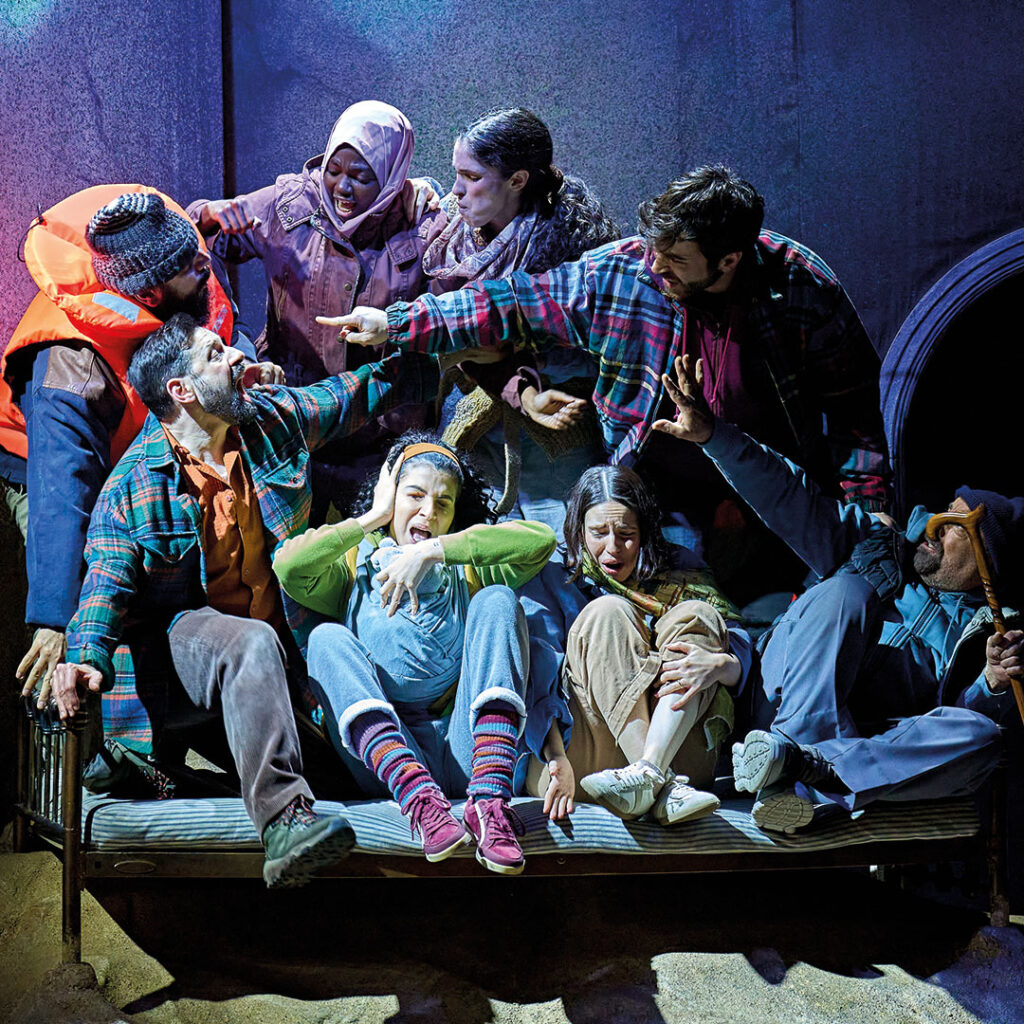
The Beekeeper of Aleppo
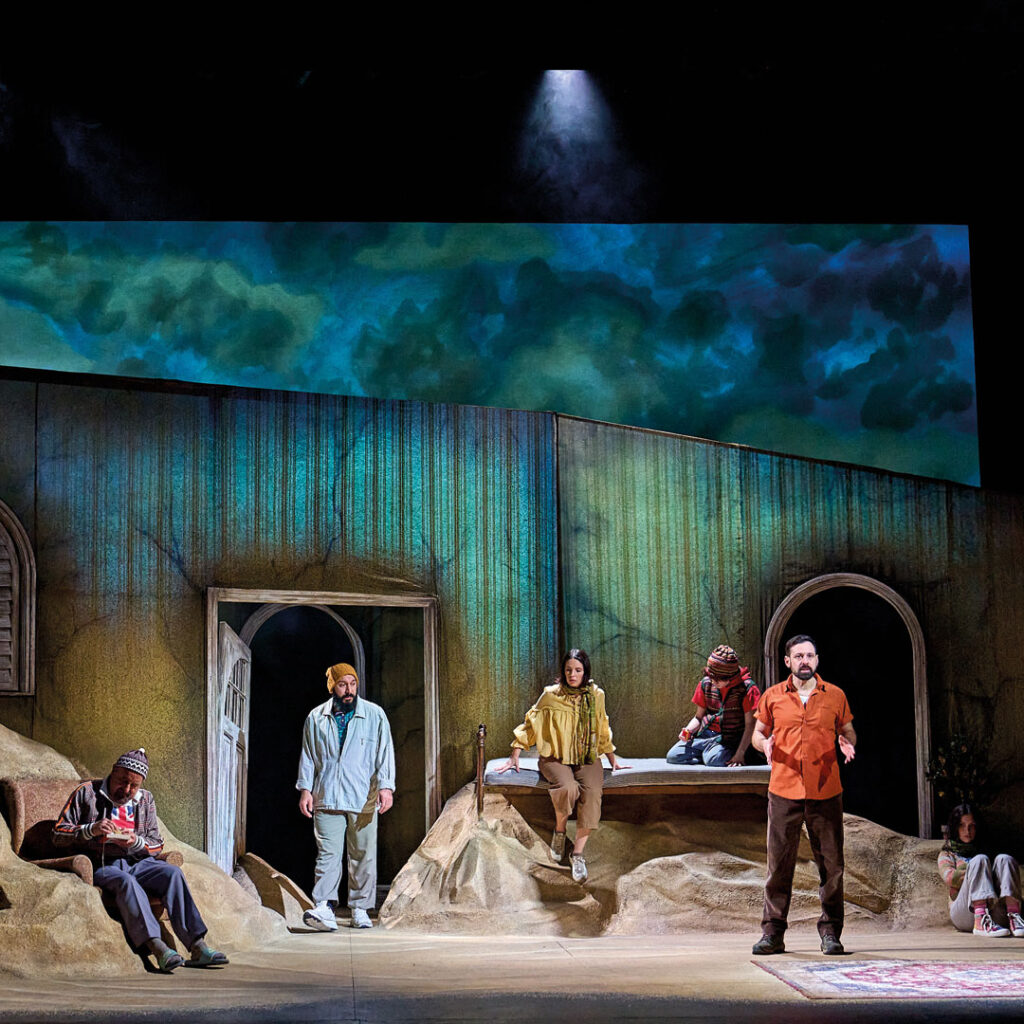
The Beekeeper of Aleppo
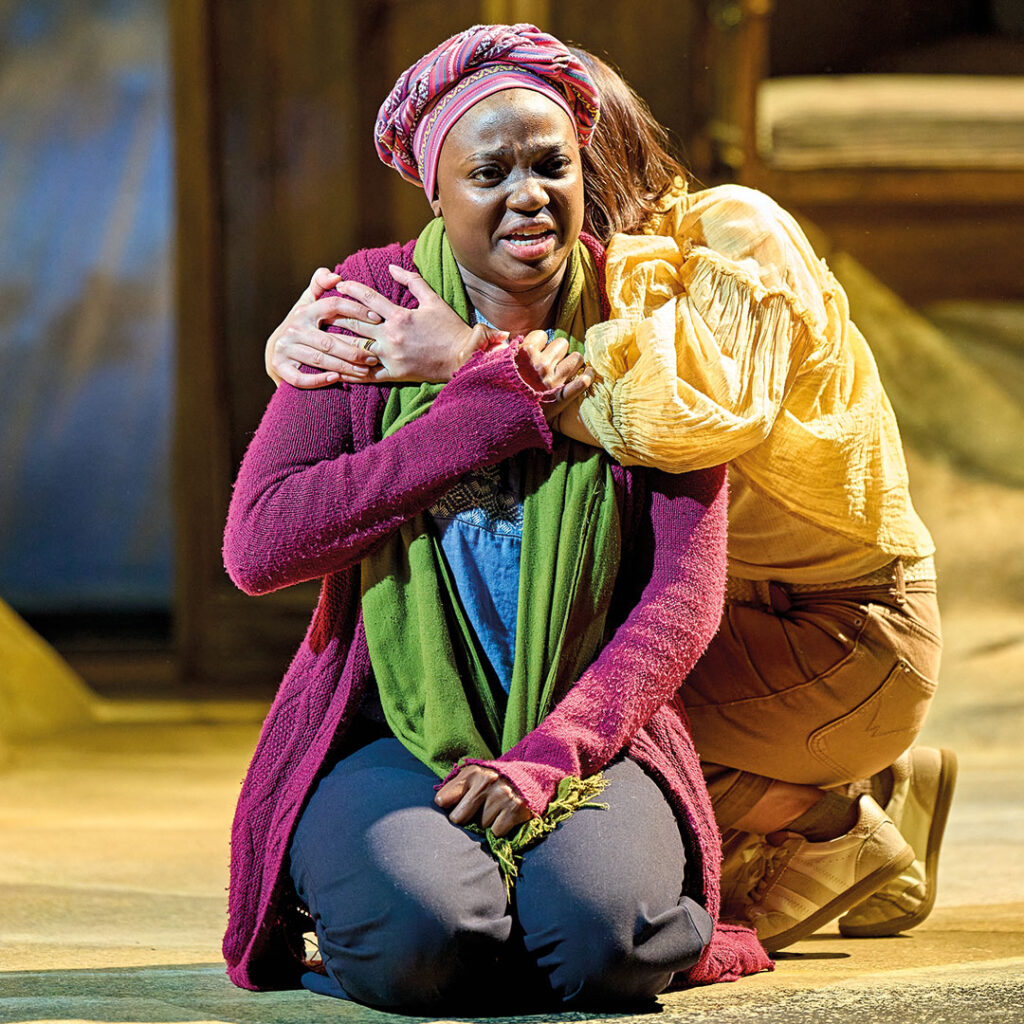
The Beekeeper of Aleppo
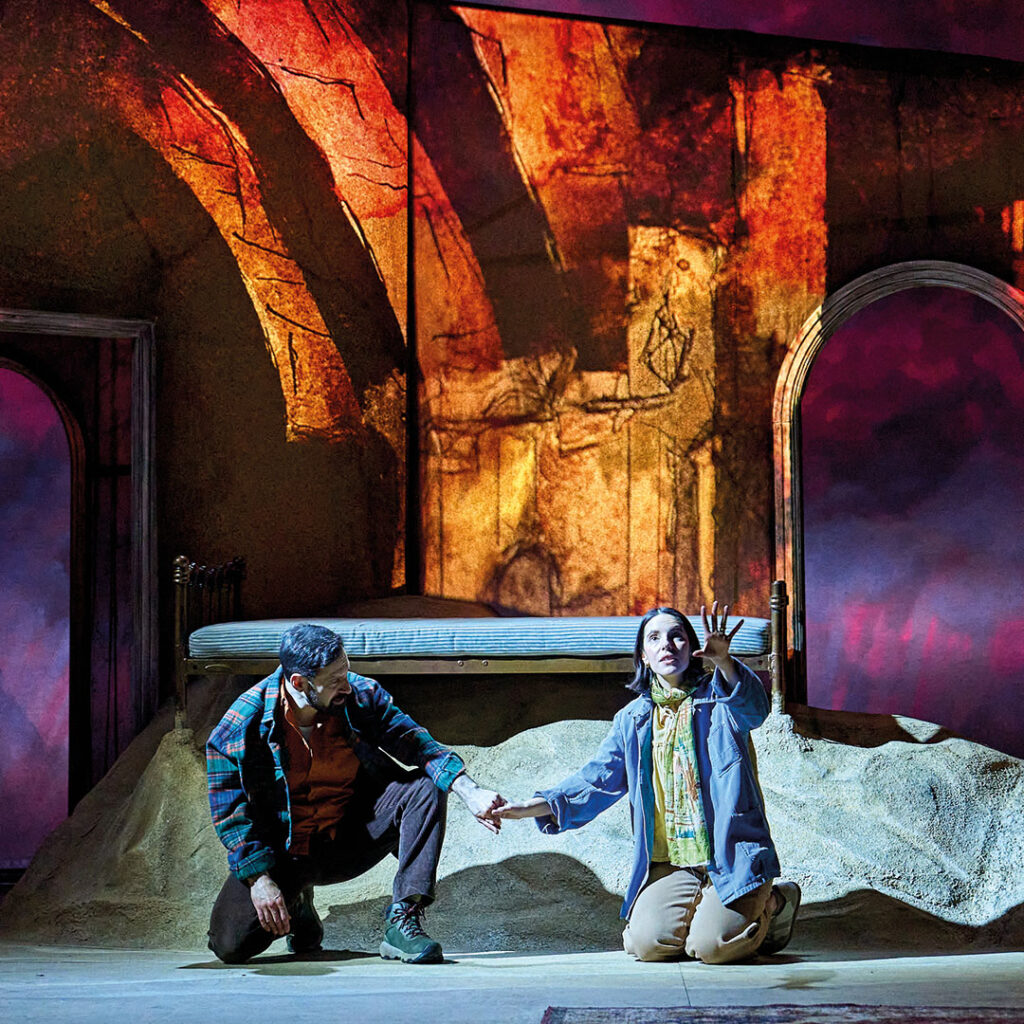
The Beekeeper of Aleppo
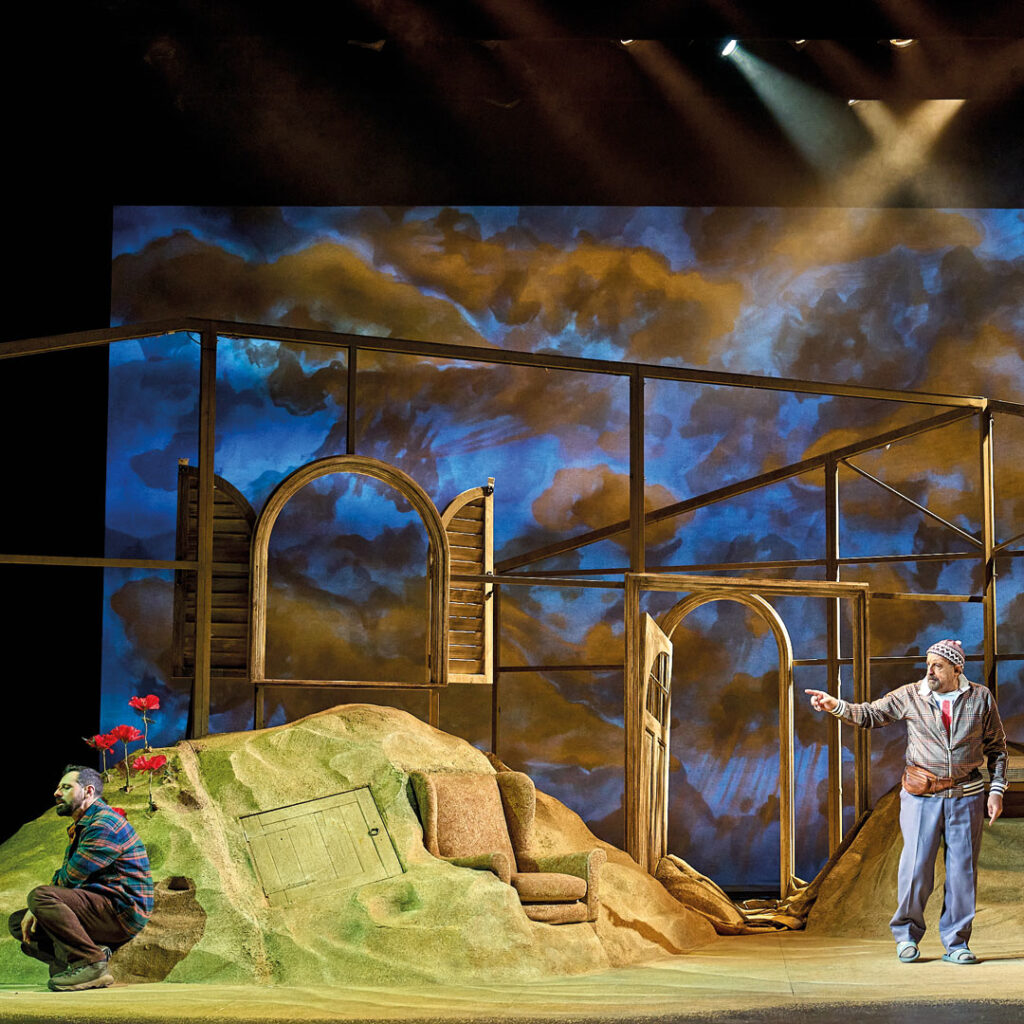
The Beekeeper of Aleppo

The Kite Runner
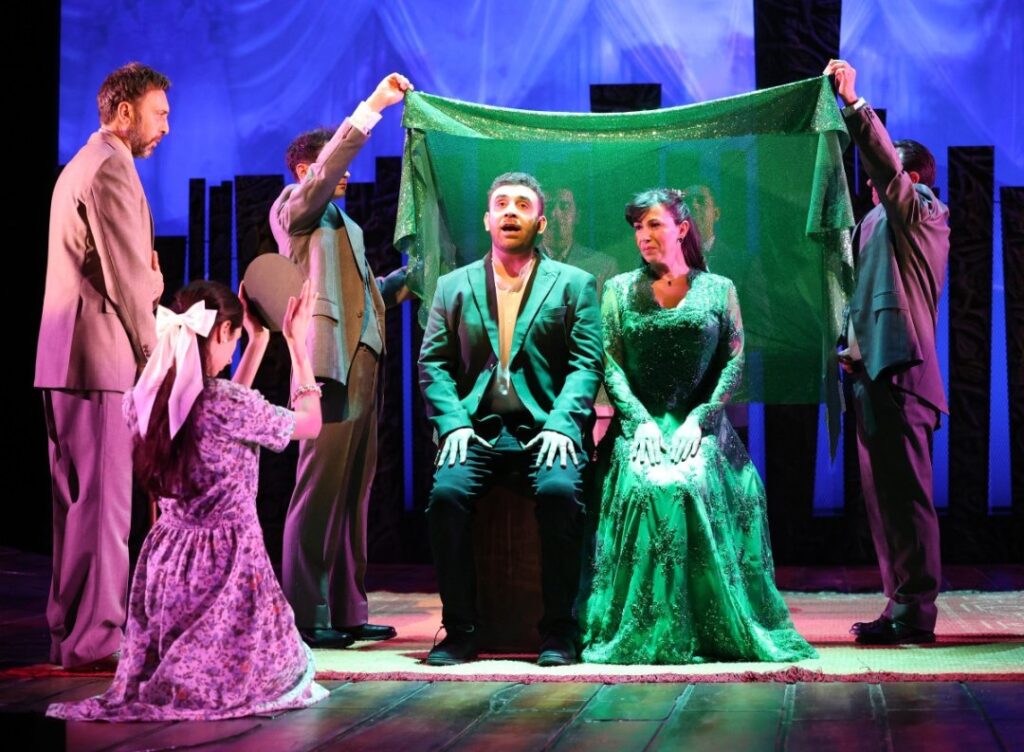
The Kite Runner
The Kite Runner

The Kite Runner

The Kite Runner
Share


